 Sunlite Systems Pvt. Ltd.




Understanding the Polycom Video Conferencing Price List: What Actually Drives the Number
There Is No Single "Polycom Price List"
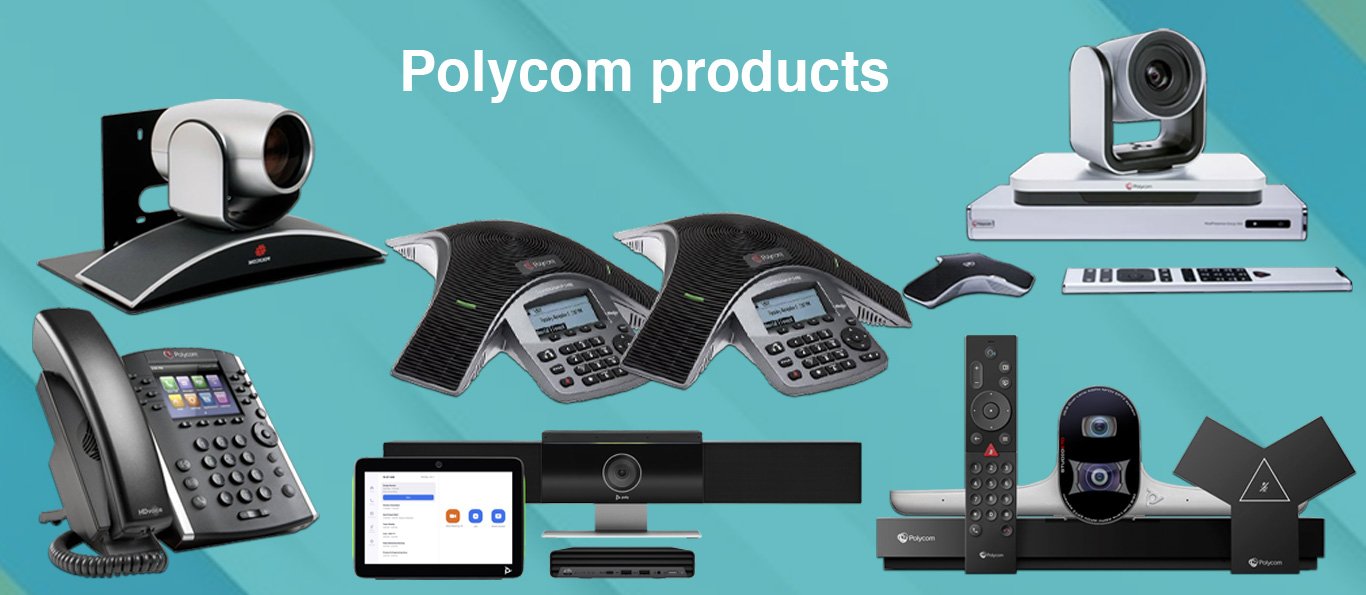
Buyers searching for a Polycom video conferencing price list are often looking for a single reference document that will tell them exactly what a room kit, conference phone, or endpoint costs. In reality, no such universal document exists in a usable form, because Polycom's portfolio — spanning conference phones, room kits, and full video endpoints — is priced against specific configurations, licensing tiers, and service inclusions that vary by deployment. A GeM catalogue entry reflects one specific SKU under one specific procurement mechanism; it is not the same as a direct B2B quote built against a hospital's or corporation's actual multi-room requirement.
Sunlite Systems Pvt Ltd supplies Polycom conferencing equipment across GeM tenders, direct institutional purchase orders, and retail-level orders through Sunlite Systems Online Store. Because this equipment sits at the higher-complexity end of the conferencing category — often involving full room integration rather than a single desk device — understanding how the price is actually assembled matters more here than almost anywhere else in the AV portfolio. This article lays out that mechanism in full.
How Polycom Pricing Is Actually Built
The foundational variable is endpoint class: a standalone conference phone for a small meeting room is priced on an entirely different basis from a full room kit combining camera, microphone array, codec, and control processor for a boardroom or auditorium. Within room kits specifically, camera specification — field of view, optical zoom range, and auto-framing capability — is a major cost driver, because wider-coverage, higher-zoom cameras genuinely cost more to manufacture and are typically reserved for larger rooms where a fixed-position camera would leave participants out of frame.
Microphone array coverage is the second major driver. A small huddle room needs a compact microphone pickup radius; a boardroom or auditorium needs either a larger built-in array or multiple ceiling/table microphone pods daisy-chained together, and the latter configuration is priced as a multi-component system rather than a single unit. Software and licensing is a separate cost layer again — cloud meeting service licensing, device management platform access, and interoperability licensing for connecting to third-party meeting platforms are typically quoted per-endpoint annually, and buyers who don't ask about this upfront are frequently surprised by it later.
Installation complexity is the final major driver, and it is particularly significant for Polycom room-kit deployments because these systems often require acoustic treatment, cable management through walls or ceilings, and network configuration for guaranteed call quality — none of which is optional in a professional boardroom or hospital telemedicine suite, and all of which is typically quoted as a distinct services line separate from hardware.
GeM Catalogue Pricing vs Direct B2B Quotes
For government buyers, GeM catalogue listings for Polycom SKUs provide a compliant, auditable procurement path, with pricing evaluated under GeM's tender rules including L1 lowest-price criteria where applicable. This mechanism works cleanly for single-room, single-configuration requirements — a district office ordering one standardized room kit, for instance.
Direct B2B quotes diverge from this mechanism substantially once a buyer's requirement spans multiple rooms with different sizes and use cases — a hospital network, for example, might need small consultation-room kits, mid-size department meeting room kits, and a larger auditorium system, all in a single rollout. This is exactly the scenario where a genuine Polycom video conferencing price list becomes less useful than a tailored quotation, because no catalogue price list expresses the bundled, tiered pricing that applies when multiple room classes are ordered together with phased delivery and centralized support.
The practical takeaway: GeM procurement is the right starting point for standardized single-configuration government orders, while corporate, healthcare, and education buyers with multi-room, mixed-configuration requirements will get a far more accurate and often more favorable number through a direct quotation built around their actual room inventory.

What Actually Changes the Final Number
Room class mix is the single biggest driver for multi-room Polycom deployments — a rollout combining small huddle-room kits with one or two larger boardroom or auditorium systems is priced as a blended order, and the blend ratio matters more to the total cost than the raw room count alone. A ten-room order that is nine huddle rooms and one auditorium is priced very differently from ten identical mid-size meeting rooms, even though both are "ten rooms."
Licensing model is the second major lever: annual cloud-service licensing versus a one-time on-premises licensing model (where supported) changes the ongoing cost structure significantly, and buyers should decide which model fits their IT policy before requesting a quote, since switching models later often means re-quoting the entire order. Integration requirements — connecting Polycom endpoints to existing enterprise scheduling systems, room-booking calendars, or third-party meeting platforms — are a third factor, since custom integration work is quoted as a services line distinct from hardware.
Finally, support and maintenance tier is a recurring cost that compounds over the equipment's lifetime — buyers choosing between basic warranty and a full annual maintenance contract with guaranteed response times should factor this into total cost of ownership, not just the initial purchase price, particularly for mission-critical use cases like hospital telemedicine suites where downtime has direct patient-care consequences.
What to Have Ready Before You Request a Quote
The most valuable input a buyer can bring is a room-by-room inventory: for each room, its size, expected participant count, existing AV infrastructure, and intended primary use case (internal meetings, external client calls, clinical consultations, or training). This single document does more to accelerate an accurate quote than any other preparation step, because it lets the supplier match endpoint class to actual need rather than guessing at a one-size-fits-all configuration.
Second, clarify your licensing preference — cloud-based subscription versus on-premises where available — since this affects both the hardware quote and the ongoing cost structure buyers need to budget for annually. Third, specify any required integrations with existing scheduling, calendar, or clinical systems, since custom integration work needs to be scoped and quoted separately from standard hardware.
Finally, as with any institutional purchase, state your procurement channel (GeM, direct PO, or internal budgetary approval process) and your rollout timeline, including whether delivery needs to be phased across multiple rooms or completed in a single delivery window.
Common Pricing Mistakes Buyers Make
The most frequent mistake is requesting a single "per room" price without specifying room class mix, then being surprised when the actual quote — reflecting a blend of huddle rooms and larger auditorium systems — comes in higher than the initial mental estimate based on the smallest room type. Room-by-room specification, as described above, is the direct fix.
A second common error is evaluating only the upfront hardware cost while ignoring annual licensing and maintenance contract costs, which for cloud-licensed deployments can represent a meaningful ongoing expense that should be part of the total cost of ownership comparison between suppliers or configurations.
A third mistake, especially relevant to healthcare and education buyers, is underestimating installation complexity for larger rooms — assuming a boardroom or auditorium kit installs the same way as a desktop conference phone — and being caught off guard by the acoustic treatment and cabling work that a properly functioning larger room actually requires.
Sector Spotlight: Healthcare and Telemedicine
Healthcare has become one of the more distinctive demand segments for Polycom-class video conferencing equipment, driven by telemedicine consultations between hospitals and outlying clinics, specialist-to-specialist case discussions, and remote training for clinical staff. Pricing conversations in this sector are shaped by two factors more heavily than in general corporate use: reliability requirements (a dropped consultation call has direct patient-care implications, which pushes buyers toward higher service-level and maintenance-contract tiers) and room diversity (a hospital network typically needs everything from small consultation-room kits to a larger conference-hall system for multi-department case reviews, all in one coordinated rollout).
Healthcare buyers evaluating this category alongside microphone requirements for larger conference or training halls may also want to review our companion article on Sennheiser wireless microphone pricing, since larger clinical training auditoriums frequently combine a Polycom-class video system with a separate wireless microphone system for the room's audio reinforcement needs.
GeM and Institutional Buying Considerations
Government-run hospitals and healthcare institutions procuring through GeM should treat the catalogue as their compliance starting point for standardized single-room orders, and as a GeM-registered vendor Sunlite Systems Pvt Ltd structures our Polycom listings and tender responses to meet that documentation standard directly. GeM tender evaluation for healthcare and institutional buyers typically weighs after-sales service commitment and response-time guarantees alongside price, given the operational stakes of a non-functioning clinical conferencing system.
Corporate and private healthcare buyers outside strict GeM procurement have more flexibility to negotiate a blended multi-room-class order directly, and should bring the room-by-room inventory described earlier to that conversation. Buyers also evaluating video conferencing brands more broadly for the same rollout may want to compare against our article on bulk pricing for Peoplelink interactive displays, which covers a different manufacturer's approach to the same category of institutional pricing.
Frequently Asked Questions
Is there an official published Polycom price list we can just reference?
Not in a form that reflects real-world purchasing. GeM catalogue entries exist for specific SKUs under GeM's procurement rules, but actual costs for multi-room institutional deployments depend on room class mix, licensing model, and services included — which is why a tailored quotation is the reliable path to an accurate figure.
Why does a ten-room quote sometimes cost more than expected based on a single-room estimate?
Because multi-room quotes are typically a blend of different room classes — huddle rooms, mid-size meeting rooms, and occasionally a large auditorium or boardroom system — and the blend, not the room count alone, determines the total. A ten-room order weighted toward larger systems will cost more than one weighted toward smaller huddle rooms.
Do we need to decide between cloud and on-premises licensing before requesting a quote?
It helps considerably. Licensing model affects both the initial hardware quote and the ongoing annual cost structure, and switching models after a quote is issued generally means re-quoting the order, so deciding this upfront based on your IT policy saves a round of revisions.
How does GeM tender evaluation work for Polycom conferencing equipment?
GeM tenders typically evaluate against the tender's technical specification compliance, delivery timeline, and after-sales service commitment in addition to price, meaning the lowest headline number does not automatically win if service terms fall short of what the tender requires.
What should healthcare buyers prepare before requesting a quote?
A room-by-room inventory across all facility types (consultation rooms, department meeting rooms, larger case-review or training halls), your reliability and maintenance-contract requirements, and any integration needs with clinical scheduling systems, alongside your procurement channel and timeline.
Closing Summary
A meaningful Polycom video conferencing price list is really a function of room class mix, licensing model, integration scope, and service-level commitment, rather than a fixed document that applies uniformly to every buyer. Government and public healthcare buyers should use GeM catalogue listings and tenders as their compliant starting point for standardized orders, while corporate and private healthcare institutions managing diverse, multi-room rollouts will get a more accurate and usable number from a direct quotation built against a full room-by-room inventory. Sunlite Systems Pvt Ltd — via Sunlite Systems Pvt Ltd and Sunlite Systems India — quotes across both channels regularly and can help structure a blended multi-room order correctly the first time. Buyers sourcing adjacent AV accessories outside a formal institutional order can also browse our Rudraksh India store. As with every category in this portfolio, the fastest route to an accurate number is the same: bring your room-by-room inventory, decide your licensing model preference, and state your procurement channel clearly before the first quote request goes out.
Reading a Polycom Price List: What the Room Size Tiers Actually Mean
A Polycom video conferencing price list prices around room-size tiers — huddle-room kits use simpler cameras/single mic bars; medium-to-large rooms need full PTZ cameras and multiple extension microphones. Codec capability (simultaneous streams, low-light performance, third-party UC integration) is the second lever.
A Checklist for Getting an Accurate Multi-Room Quote
Provide room dimensions per room, state maximum expected participants, mention external/hybrid call needs, flag unusual acoustics, confirm reusable existing infrastructure, and ask for the price list broken down by room tier for future expansion reference.
Why do two rooms of a similar size sometimes get different price quotes?
Acoustics, existing infrastructure, and intended use (external client calls vs. internal-only) all affect the specification needed.
Does the price list include installation and configuration, or only the hardware?
Varies by supplier — confirm explicitly rather than assume.
Explore More — Sunlite Systems Network
Ready for a Polycom Quote?
Sunlite Systems Pvt Ltd is a GeM-registered, authorized Polycom channel partner across India.
Contact Us Now