 Sunlite Systems Pvt. Ltd.




Panasonic PTZ Camera Latest Price in India: A Buyer's Guide to Pricing and Quotation
Why PTZ Camera Pricing Spans Such a Wide Range
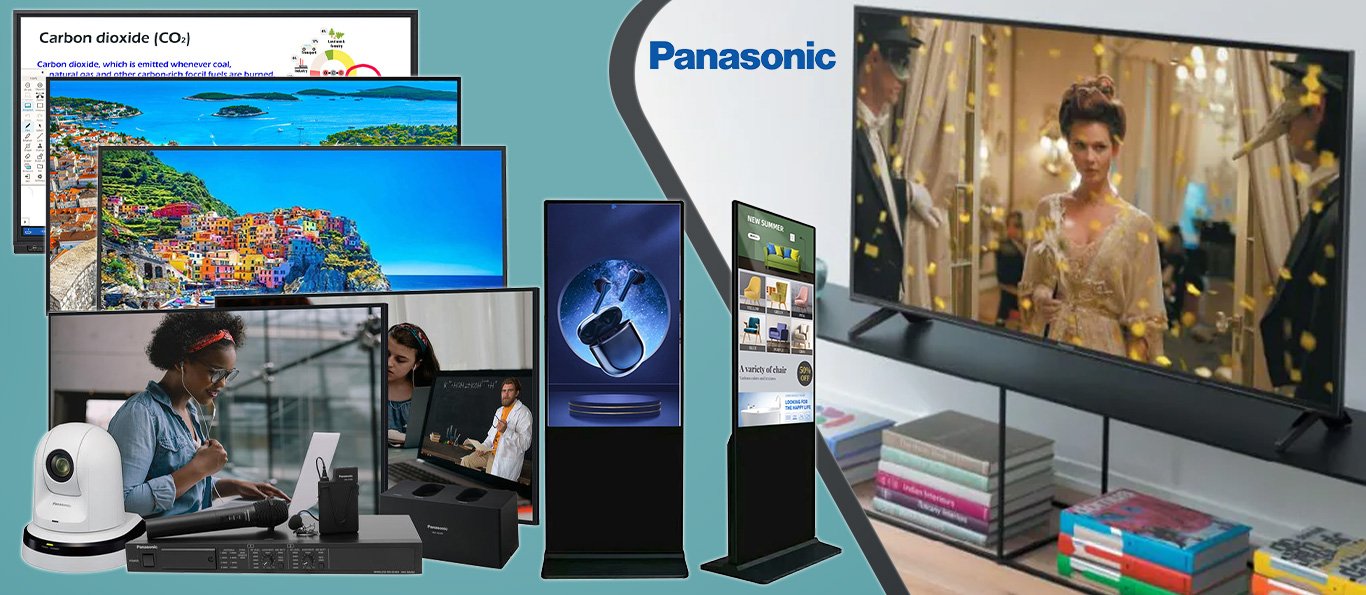
Buyers researching the Panasonic PTZ camera latest price in India often find a surprisingly wide spread of numbers, and the reason is that pan-tilt-zoom cameras serve very different use cases under the same product category name. A PTZ camera used for a small lecture-capture setup in a classroom has a fundamentally different specification requirement — zoom range, image sensor quality, and control complexity — than one used for a large auditorium webcast, a broadcast-quality production, or a government conference hall requiring integration with an existing video switching and recording system. All of these are "PTZ cameras," but they sit on very different points of the price spectrum because the underlying engineering, particularly the optical zoom mechanism and image sensor, differs substantially.
What further complicates a simple price comparison is that PTZ cameras are rarely deployed alone — they're typically part of a system involving a camera controller, video switching or production equipment, network connectivity for IP-based control and streaming, and sometimes integration with existing broadcast or recording infrastructure. Sunlite Systems, as a GeM-registered vendor and authorised Panasonic dealer serving government, corporate, healthcare, and education clients, prices PTZ camera deployments against the full intended use — single camera versus multi-camera production, live streaming requirement, and integration needs — because that is what actually determines whether the final cost is close to entry-level or moves toward a full broadcast-grade configuration.
How Spec-Driven Quoting Works for PTZ Cameras
The core cost driver for any PTZ camera is its optical zoom range and image sensor quality — cameras designed to capture clear, well-exposed footage from a distance across a large hall or auditorium, with a longer optical zoom range, cost more than cameras designed for closer-range capture in a smaller room. Resolution and video output format matter as well, with higher-resolution capture and broadcast-standard output formats commanding a price premium over standard corporate or education-grade output relevant mainly for internal recording or basic live streaming.
Beyond the camera itself, a full quote considers the control system — a single camera can often be controlled with a simple joystick controller or software interface, while a multi-camera deployment for a larger production typically requires a more capable control and switching system to manage multiple camera feeds and transitions between them. Network and connectivity requirements add a further layer: PTZ cameras controlled and streamed over IP need adequate network infrastructure (which is where switch and access point pricing intersects with camera system pricing), and installations requiring integration with an existing recording, streaming, or broadcast system need integration and configuration work priced as a distinct services component from the camera hardware itself. Mounting — ceiling-mounted for auditoriums versus wall or desk-mounted for smaller rooms — and cabling for power and data complete the typical quote structure.
GeM Catalogue Pricing vs Direct B2B Quotes
Government departments, PSUs, and public healthcare and education institutions procuring PTZ cameras for conference recording, telemedicine, or lecture capture typically do so through the Government e-Marketplace, where catalogue pricing reflects specific listed camera models and configurations under GeM's procurement and delivery terms, and Sunlite Systems responds as a registered vendor against the published technical specification. Corporate offices, private hospitals, and educational institutions procuring directly usually work through B2B quotes built around the actual production or recording requirement, which can bundle camera, controller, and installation into a single commercial proposal in a way a fixed GeM catalogue listing typically itemises as separate components.
PTZ camera systems for government use often serve specific institutional needs — recording legislative or committee proceedings, courtroom recording, or telemedicine consultations in public healthcare facilities — and these deployments frequently have defined technical specifications tied to the intended use case already built into the tender document. Ensuring your organisation's specification reflects the actual production requirement (single-camera basic recording versus multi-camera live production) rather than a generic camera line item is important for getting a bid response, and eventually an installed system, that actually serves the intended use.

What Actually Changes the Price
Optical zoom range and sensor quality are the primary cost drivers — a camera designed to deliver clear, usable footage from the back of a large hall costs more than one designed for close-range capture in a small meeting room, because achieving that reach without image degradation requires a more capable optical and sensor engine. Resolution and output format (standard corporate recording quality versus broadcast-standard output) is the second major factor, particularly relevant for institutions planning to stream or broadcast content to an external audience rather than simply record for internal use.
The number of cameras in the deployment and the control system required to manage them is a further significant cost layer — a single-camera lecture capture setup needs only a basic controller, while a multi-camera production for a large event or a permanently installed multi-camera conference recording system needs a more capable switching and control setup to manage transitions between camera angles. Network infrastructure to support IP-based control and streaming, integration work with any existing recording or broadcast system, and installation complexity (particularly ceiling mounting in high auditoriums) round out the remaining variables, along with warranty tier and whether ongoing technical support for the production system is included.
What to Have Ready Before Requesting a Quote
An accurate PTZ camera quote starts with understanding the intended use: is this for internal recording of meetings and lectures, live streaming to an external audience, or a full multi-camera production for events and broadcasts? Knowing the room or hall size and the approximate distance the camera will need to capture from — a small meeting room versus a large auditorium — is essential for getting the zoom and sensor specification right.
It also helps to clarify how many cameras are needed and whether they'll be controlled and switched together or operated independently, along with whether the deployment needs to integrate with an existing recording or streaming platform already in use at the site. For institutional buyers, confirming the procurement route (GeM tender versus direct purchase) before reaching out saves a clarification round, and sharing this level of detail is comparable to what's useful when requesting bulk pricing for a Logitech video conferencing rollout in the same building — the more complete the use-case picture, the more precise the resulting quote.
Common Pricing Mistakes and Misunderstandings
A common mistake is requesting a PTZ camera quote based purely on price comparisons across models without accounting for zoom range and sensor quality differences, which can result in a camera that looks adequate on paper but produces unusable footage from the intended capture distance in a large hall. A second frequent mistake is under-planning for the control system — buying multiple PTZ cameras without budgeting for a proper switching and control setup leads to a system that's technically installed but difficult to operate smoothly during a live event or recurring recording session.
Buyers also sometimes overlook network readiness, assuming existing office network infrastructure can support IP-based camera control and streaming without additional switch or access point capacity, only to discover a bandwidth or PoE power shortfall once installation begins — a brief network readiness check alongside the camera quote avoids this. Finally, some institutional buyers assume a GeM catalogue camera price includes installation, mounting, and system integration, when these are frequently structured as separate services, leading to a mismatch between the budgeted hardware figure and the actual project cost.
The Healthcare and Government Cost Angle
Healthcare and government institutions represent a distinctive PTZ camera pricing conversation because these deployments often serve specific regulated or procedural functions — telemedicine consultations between facilities, recording of committee or departmental proceedings, or lecture capture in medical teaching hospitals — rather than general-purpose event coverage. These use cases typically demand reliable, consistent image quality and dependable remote control over a defined operating period rather than occasional event-based use, which shifts the specification toward cameras and control systems built for continuous, dependable operation rather than the burst-use pattern of an event production system.
For telemedicine and remote-consultation deployments specifically, network reliability and integration with existing healthcare IT systems is often as significant a cost and planning factor as the camera itself, since consultation quality depends on consistent video performance over the network as much as on the camera's own optical capability. Government proceedings recording similarly often requires integration with existing archival or broadcast systems already in use, which adds an integration services layer that a first-time camera buyer might not anticipate when initially budgeting for "a PTZ camera."
GeM and Institutional Procurement Pricing
Government departments, public hospitals, and educational institutions procuring PTZ cameras through GeM should expect catalogue pricing tied to specific listed models and configurations, with Sunlite Systems responding as a registered vendor against the published technical specification. As with other categories, ensuring the tender specification reflects the actual use case — single versus multi-camera, internal recording versus live broadcast, integration requirements with existing systems — rather than a generic camera line item produces a bid response, and eventually an installed system, that genuinely serves its intended purpose rather than merely satisfying a minimum paperwork requirement.
Institutions procuring directly — private hospitals, corporate training and broadcast facilities, and educational trusts — have more flexibility to bundle cameras, control systems, network upgrades, and installation into a single proposal than a GeM tender format typically allows, which is often the more efficient route for organisations building out a production or recording capability incrementally over multiple budget cycles.
Frequently Asked Questions
Why do PTZ cameras with similar resolution have very different prices?
Optical zoom range and sensor quality are usually the reason — cameras designed for long-distance, large-hall capture cost more than those designed for close-range use in smaller rooms, even at similar resolution.
Does the quote include the camera control and switching system?
Not by default — control and switching hardware for managing one or multiple cameras is typically a separate cost layer from the camera itself, so it's worth confirming this explicitly.
Is GeM catalogue pricing the same as a direct quote for the same camera model?
Not necessarily — GeM pricing reflects a specific listed configuration under government procurement terms, while a direct quote is built around your actual production or recording requirement and can bundle installation and integration differently.
Does our existing network support PTZ camera streaming?
Not always — a brief network readiness check is worth doing alongside the camera quote, since IP-based control and streaming can require additional switch capacity or PoE power beyond what a typical office network already provides.
What information speeds up an accurate PTZ camera quote?
The intended use (internal recording, live streaming, or full production), room or hall size, number of cameras needed, and whether integration with an existing system is required are the most useful details to share upfront.
Getting Your Panasonic PTZ Camera Quote
An accurate PTZ camera quote depends on describing the actual use case — capture distance, number of cameras, and whether the footage needs to be streamed, broadcast, or simply recorded internally — rather than comparing camera model prices in isolation. Whether you're equipping a teaching hospital for lecture capture, a government hall for proceedings recording, or a corporate facility for hybrid event production, sharing this detail upfront is what turns a generic price enquiry into a dependable, properly scoped quote. Sunlite Systems Pvt Ltd applies the same use-case-first approach across related categories, including the latest LG commercial display pricing frequently paired with PTZ camera systems in conference and control-room environments.
Browse cameras and place orders through Sunlite Systems Online Store, learn more about our company at Sunlite Systems Pvt Ltd, or explore our India operations at Sunlite Systems India. For other product interests, visit our Rudraksh India store, part of the Sunlite group. To request your PTZ camera system quote, reach out through our contact page with your use case and room details, and we'll return an accurately scoped proposal.
===END===agentId: af2185b0ceb7759dd (use SendMessage with to: 'af2185b0ceb7759dd', summary: '<5-10 word recap>' to continue this agent)What Drives PTZ Camera Pricing: Zoom, Sensor, and Connectivity
For the Panasonic PTZ camera latest price in India, optical zoom range, sensor quality/low-light performance, pan-tilt mechanism precision/speed, connectivity/output format (analogue vs. NDI-based network video), and control-system compatibility for multi-camera installations all drive cost.
A Second Sector Scenario: Healthcare Training and Telemedicine Rooms
Medical training rooms need close-range detail and zoom precision. Telemedicine rooms prioritise reliability and simple preset positioning over broadcast-style production features. Hygiene and mounting practicality (wall/ceiling mount respecting infection-control layouts) are healthcare-specific installation considerations.
Can Panasonic PTZ cameras be quoted alongside a video conferencing or recording software setup, or only as camera hardware?
Both options are available, depending on what's specified.
Does the number of cameras in one room affect the price beyond simply multiplying the per-unit cost?
Multi-camera rooms usually need an additional control device or software, added as a separate line item.
Explore More — Sunlite Systems Network
Ready for a Panasonic Quote?
Sunlite Systems Pvt Ltd is a GeM-registered, authorized Panasonic channel partner across India.
Contact Us Now