 Sunlite Systems Pvt. Ltd.




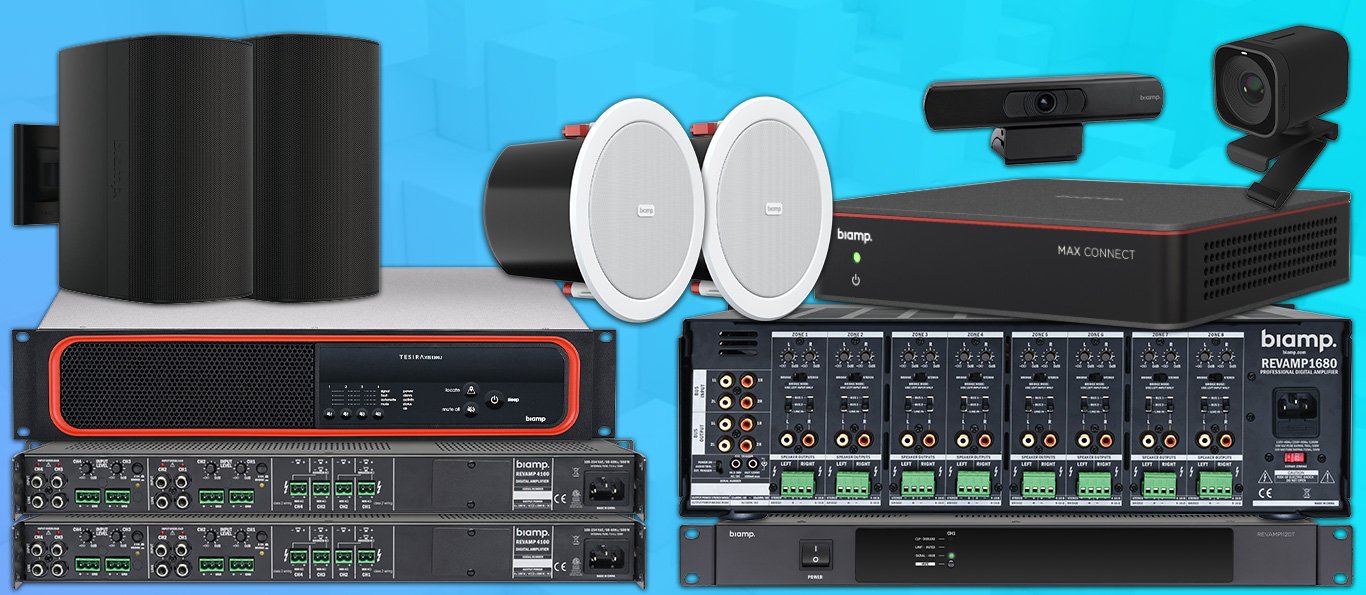
Biamp TesiraFORTÉ — Audio DSP for Professional Conferencing and Sound Systems
What the Biamp TesiraFORTÉ Is and Where It Fits in an AV System
Behind the scenes of any well-functioning conferencing room, auditorium sound system, or multi-zone paging setup, there is usually a piece of equipment doing invisible but essential work: taking in multiple audio sources, cleaning them up, balancing them, cancelling out unwanted echo or feedback, and routing the result correctly to whatever speakers, recording systems, or conferencing platforms need it. This is the role of an audio digital signal processor, or DSP, and the Biamp TesiraFORTÉ is a product line from Biamp built specifically for this function within professional AV and conferencing systems.
As a DSP product line, the general purpose of equipment in this category is processing — rather than simply amplifying — audio signals. This includes tasks like acoustic echo cancellation (critical for video conferencing, where a room's own speakers can otherwise feed back into the microphones and create an echo for remote participants), automatic microphone mixing across multiple microphones in a room, equalization and level management, and routing audio between different sources and destinations in a system. This is meaningfully different work from what a mixer amplifier does, and it's why DSP units typically sit alongside, rather than instead of, amplification equipment in a properly designed system.
In a typical deployment, a TesiraFORTÉ unit sits at the processing core of a room's or building's audio system, taking input from microphones, conferencing codecs, or paging consoles, processing that audio intelligently, and then sending a cleaned-up signal onward to amplifiers and speakers, or to a video conferencing system such as the one described on our Barco ClickShare CX-50 page. This makes it a natural fit for any installation where audio quality and intelligibility genuinely matter — which is most institutional conferencing and public address contexts, but especially so in rooms used regularly for remote or hybrid meetings.
Who Buys the Biamp TesiraFORTÉ, and Why
The buyer for a DSP product of this class is typically an AV consultant, systems integrator, or IT/facilities decision-maker at an organisation with meeting rooms, auditoriums, or multi-zone audio systems where audio quality has become a genuine business or operational concern, rather than an afterthought. This is usually a more technically sophisticated purchase decision than a simple speaker or amplifier buy, because DSP configuration directly determines how well a room's audio performs for both in-room participants and, increasingly, remote video conferencing participants.
Corporate buyers invest in DSP equipment because poor audio quality in a hybrid meeting is one of the most common complaints from remote participants, and a properly configured DSP resolves this at the source rather than through workarounds. Educational institutions invest in DSP for large lecture halls and auditoriums where clear speech intelligibility across a large room is essential and where recording or livestreaming of lectures depends on clean audio capture. Healthcare institutions increasingly invest in this category of equipment for telemedicine and remote consultation setups, where audio clarity is not a convenience but a genuine clinical communication requirement.
Organisations searching for Biamp TesiraFORTÉ DSP suppliers are typically doing so at the design or specification stage of a larger AV project, often guided by a consultant who has already determined that a DSP-based solution is needed rather than a simpler amplifier-only setup. As with other specified professional AV equipment, the sourcing question at this stage is less "does this fit our need" and more "who can supply and properly configure this exact product genuinely."
Evaluating Genuine, Authorized Sourcing for the TesiraFORTÉ
DSP equipment is more technically involved to configure than a standard amplifier or speaker, which makes the sourcing decision about more than just the hardware itself — it is also about whether the supplier has the technical capability to configure the system correctly after it's supplied. A dealer who can sell the hardware but cannot properly commission a DSP's audio processing settings leaves the buyer with an expensive piece of equipment that never performs as intended.
Verification for this category should therefore go beyond the standard dealer-authorization and invoicing checks — while those remain essential, buyers should also ask about the supplier's actual configuration and commissioning experience with this specific product line, request references to similar completed installations if possible, and clarify what post-installation support is available if the DSP configuration needs adjustment after initial commissioning, which is common as a room's actual usage patterns become clear over the first few weeks of use.
Sunlite Systems Pvt Ltd supplies this category of professional AV equipment as a GeM-registered vendor with direct B2B and institutional sales channels, and applies the same standard of documentation and configuration support that any serious DSP deployment requires. Buyers should treat the ability to properly configure and commission this equipment as being just as important as the authenticity of the hardware itself.
Sector-Specific Use Cases Across India
In corporate settings, DSP equipment is most valuable in boardrooms, large conference rooms, and multi-purpose meeting spaces used regularly for hybrid or video conferencing, where consistent, echo-free audio directly affects meeting productivity and the professional impression made on remote participants and clients. Organisations with multiple such rooms across a campus or multiple offices often standardise on the same DSP platform for consistency of configuration and easier centralised management.
In education, large lecture halls, seminar rooms, and auditoriums use DSP processing to maintain speech intelligibility across rooms that may seat hundreds of students, and increasingly to support lecture recording and livestreaming, where clean audio capture is essential to the recorded output's usefulness. In healthcare, telemedicine consultation rooms and larger conferencing spaces used for multi-site clinical discussions rely on DSP processing to keep remote audio clear and free of echo or feedback, which matters considerably in a clinical communication context.
Government and public sector buildings with committee rooms, briefing rooms, or auditoriums used for official proceedings also deploy DSP-based audio systems, particularly where proceedings need to be recorded or where multiple microphones need automatic, intelligent mixing rather than manual level adjustment during a live session. Manufacturing and industrial organisations with larger training or briefing rooms, and hospitality venues with banquet or conference facilities used for corporate events, represent further sectors where this category of equipment supports both in-person and hybrid event requirements, often working alongside control systems such as the Cisco Webex Room Kit Plus for the conferencing endpoint itself.
The Buying Process: From Design Requirement to Commissioned System
Because DSP purchases typically originate from a design or consulting process rather than a straightforward product enquiry, the buying process usually begins with the buyer or their AV consultant sharing a system design or scope of work with the prospective supplier, rather than requesting a bare price for the unit alone. A capable supplier will review this scope carefully and confirm they can both supply the specified hardware and handle the configuration work the design calls for.
The quotation for this category of equipment should clearly separate hardware cost from configuration, commissioning, and any ongoing support or adjustment services, since the value delivered by a DSP installation depends heavily on the quality of that configuration work — two identical hardware units, configured differently, can produce very different real-world audio results in the same room.
Installation and commissioning should include a proper acoustic test of the finished system — testing microphone pickup, echo cancellation performance during an actual test call, and overall audio clarity — rather than simply confirming the unit powers on and passes signal. This is a meaningfully more involved commissioning process than a simple amplifier or speaker installation, and buyers should expect and budget time for it accordingly.
After commissioning, it's reasonable to expect a follow-up adjustment window during which the supplier fine-tunes the configuration based on how the room actually performs in real use, since some DSP settings are difficult to get perfectly right without observing the system in genuine day-to-day operation first.
The GeM and Institutional Procurement Angle
Professional AV DSP equipment is increasingly specified in GeM tenders for government and public institution AV upgrades, particularly where committee rooms, auditoriums, or briefing rooms are being modernised for hybrid conferencing and recording capability. Sunlite Systems Pvt Ltd's GeM-registered vendor status gives institutional buyers a compliant procurement route for this category, including the associated configuration and commissioning work that a genuine DSP deployment requires.
For corporate, education, and healthcare buyers outside the GeM framework, direct B2B and institutional sales channels provide the same sourcing and commissioning standard through a more conventional procurement process. Given the technical complexity of this category compared to simpler AV hardware, institutional buyers evaluating any vendor should weigh configuration and commissioning capability as heavily as base hardware pricing when making a sourcing decision.
Frequently Asked Questions
What does a DSP actually do that a normal amplifier doesn't?
A DSP processes audio — handling tasks like echo cancellation, automatic microphone mixing, and signal routing — while an amplifier's job is simply to boost an already-processed signal to drive speakers. The two typically work together in a properly designed system rather than one replacing the other.
Do we need an AV consultant to specify this kind of system, or can Sunlite Systems help design it directly?
Many DSP deployments do originate from a formal AV consultant's design, but organisations without an existing design can also work directly with an experienced supplier to scope the requirement, provided the supplier has genuine configuration and commissioning experience with this equipment category.
How do we find genuine, authorized Biamp TesiraFORTÉ DSP suppliers rather than a reseller without real configuration experience?
Ask specifically about the supplier's hands-on configuration and commissioning experience with this product line, not just their ability to supply the hardware, and request evidence of similar completed installations where possible.
Can this equipment be procured through GeM for a government committee room or auditorium project?
Yes. As a GeM-registered vendor, Sunlite Systems Pvt Ltd supports institutional buyers procuring DSP and related AV equipment through the Government e-Marketplace, alongside direct B2B channels for other buyers.
What happens if the audio configuration doesn't perform well once the room is in regular use?
A proper installation should include a follow-up adjustment period during which the supplier fine-tunes the configuration based on real usage, since some settings are difficult to perfect without observing the system in genuine day-to-day operation.

Closing Summary
The Biamp TesiraFORTÉ represents a category of professional audio DSP equipment that has become increasingly essential as hybrid and video conferencing have become standard parts of corporate, educational, healthcare, and government operations, doing the invisible processing work that determines whether a room's audio actually sounds clear to remote participants. Sourcing this category of equipment well means evaluating not just hardware authenticity but a supplier's genuine configuration and commissioning capability.
Sunlite Systems Pvt Ltd, headquartered in Ghaziabad, Uttar Pradesh, supplies this category of professional AV equipment through GeM tenders, direct B2B and institutional sales, and the Sunlite Systems Online Store, serving government, corporate, education, healthcare, manufacturing, hospitality, and retail clients across India. Learn more at Sunlite Systems Pvt Ltd and Sunlite Systems India, or browse a related catalogue at our Rudraksh India store. Reach out through the contact page to discuss your room design and configuration requirements.
Where TesiraFORTÉ Sits in Biamp's DSP Ecosystem
Biamp's Tesira platform is a modular, networked audio DSP ecosystem scaling from single-room to campus-wide systems. TesiraFORTÉ is aimed at buyers needing dedicated room-level or building-level audio processing as part of a larger networked system. For a buyer evaluating Biamp TesiraFORTÉ DSP suppliers, supplier expertise in commissioning matters as much as the hardware.
Integration and Commissioning Considerations
The processor needs programming for the building's specific audio routing and zones — carried out by a certified integrator, not general electrical contractors. Network audio protocol compatibility requires IT and AV planning together. Integration with third-party control systems (scheduling panels, building management) needs planning and testing.
An Additional Sector Use Case: Large Auditoriums and Multi-Purpose Halls
TesiraFORTÉ-class processors suit auditoriums hosting a mix of speech, performance, and video-conferenced sessions needing flexible routing between multiple inputs and recording/streaming feeds — something a fixed-function mixer struggles to accommodate as use cases evolve.
Does purchasing a TesiraFORTÉ unit include programming and commissioning, or is that separate?
Programming is a distinct part of project scope — confirm with your supplier whether it's included or quoted separately.
Can a TesiraFORTÉ system be expanded later if a building adds more rooms?
Generally yes, since Tesira is a networked modular ecosystem, though the specific expansion path depends on original configuration.
Explore More — Sunlite Systems Network
Ready to Buy Biamp Equipment?
Sunlite Systems Pvt Ltd is a GeM-registered, authorized Biamp channel partner across India.
Contact Us Now